Machines don’t warn you before they start. A conveyor resets. A press lowers unexpectedly. A valve opens mid-maintenance. These aren’t rare events—they’re documented causes of crushing, amputation, and electrocution in industrial settings. The solution? A formal lockout tagout procedure.
At its core, a lockout tagout (LOTO) procedure is a safety protocol that ensures machines and equipment are properly shut off and isolated from all energy sources before maintenance or servicing begins. It’s not just turning off a switch. It’s a documented, systematic process designed to prevent the unexpected release of hazardous energy.
Defined by OSHA in standard 29 CFR 1910.147, LOTO is not optional—it's a legal requirement in the U.S. for any situation where employees service or maintain machines that could start up or release stored energy.
Why Lockout Tagout Procedures Matter
Every year, hundreds of workers are injured or killed during maintenance operations. According to the Bureau of Labor Statistics, failure to control hazardous energy accounts for nearly 10% of serious accidents in manufacturing. Most are preventable.
A lockout tagout procedure isn’t just about compliance. It’s about creating a culture where safety is procedural, not situational. When workers know exactly how to de-energize a hydraulic press or isolate a motor control circuit, risk drops dramatically.
Without LOTO, workers operate on trust: “I turned it off. It should be safe.” But in industrial systems, “off” doesn’t mean “safe.” Motors retain inertia. Pneumatic lines hold pressure. Capacitors store electricity. A lockout tagout procedure addresses these hidden risks methodically.
Real-World Example: At a food processing plant, a technician attempted to clear a jam in a packaging line. He bypassed the lockout procedure because it “only took a minute.” The machine cycled automatically and crushed his hand. Investigation revealed no lock had been applied, and the emergency stop wasn’t a substitute for energy isolation.
This is why the lockout tagout procedure definition must include not just physical steps but behavioral and organizational elements.
Core Components of a Lockout Tagout Procedure
A true LOTO procedure is more than a checklist. It’s a layered system with specific components that must all function together.
1. Energy Source Identification
Before any work begins, every energy source powering the equipment must be identified. This includes:
- Electrical
- Hydraulic
- Pneumatic
- Mechanical
- Chemical
- Thermal
- Gravitational
For example, a large industrial oven may have electrical heating elements, gas valves, and a fan system—all requiring isolation.
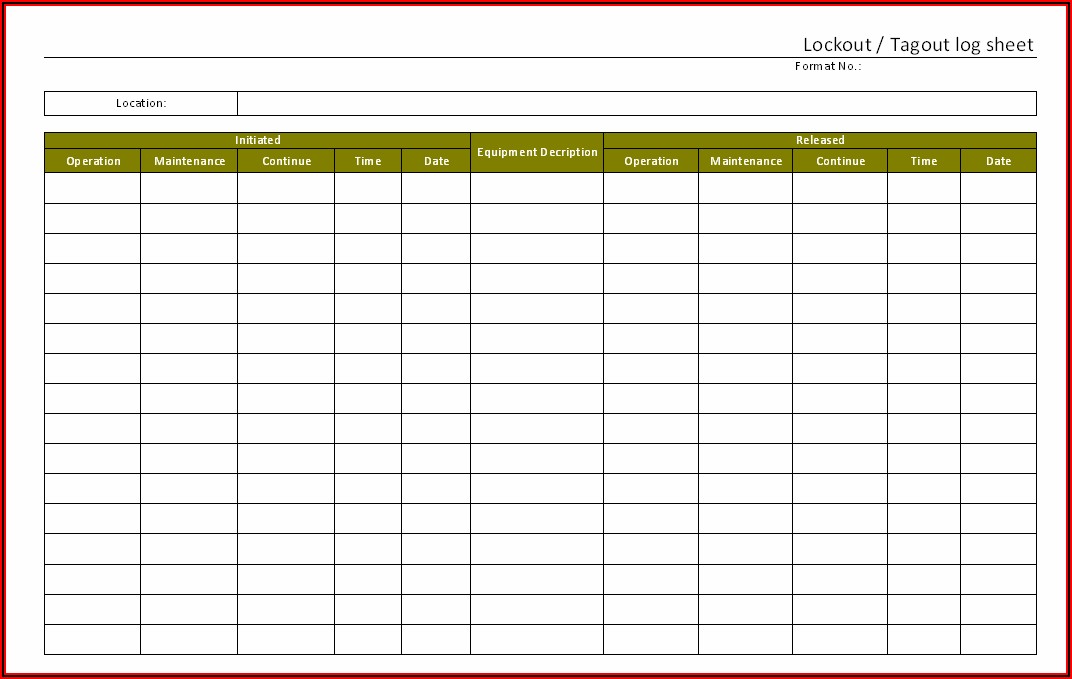
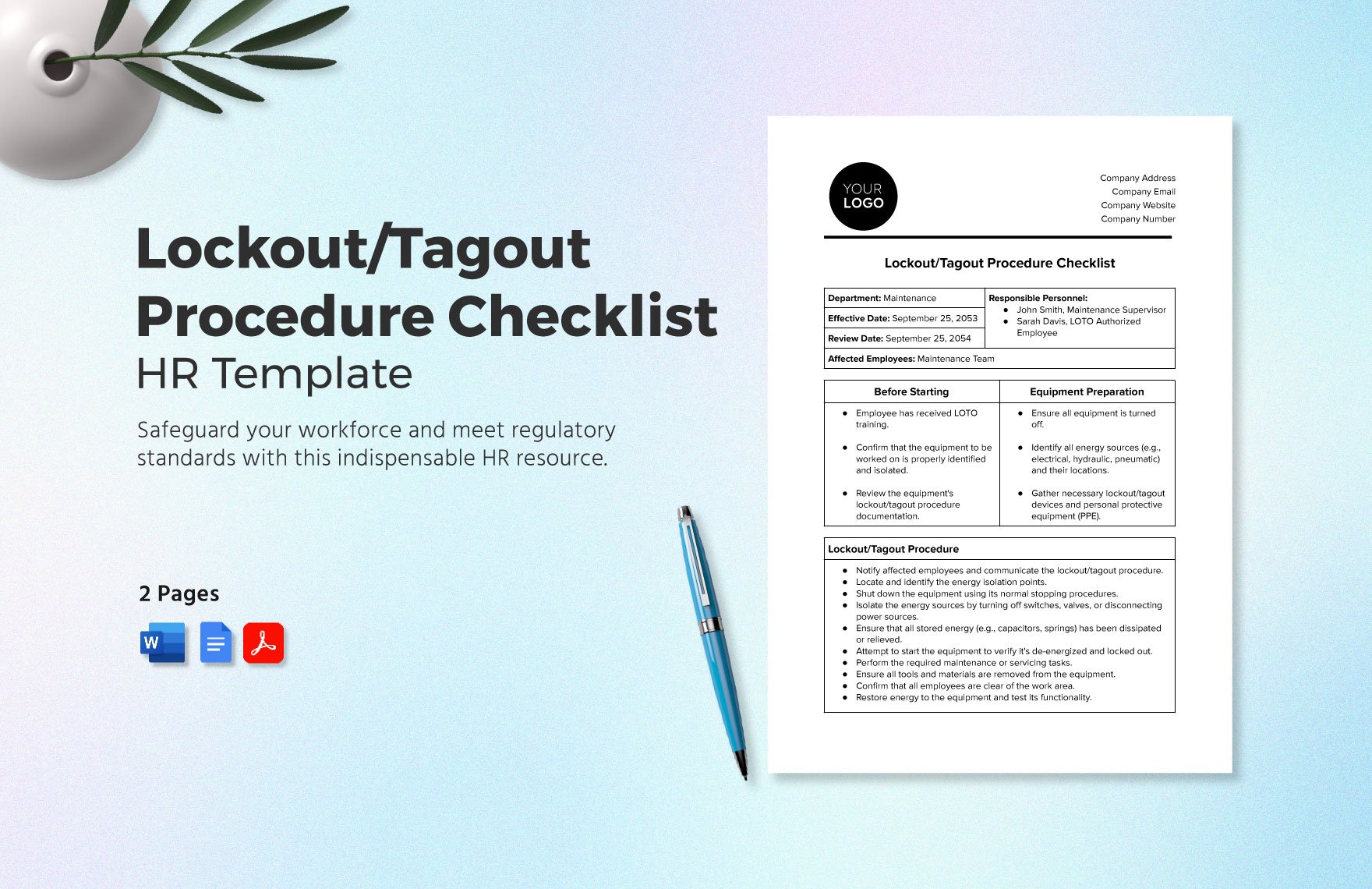
2. Written Energy Control Procedures OSHA requires documented procedures for each machine or piece of equipment. These documents outline:
- Specific shutdown steps
- Location of energy isolation devices (e.g., circuit breakers, valve locks)
- Sequence for applying and removing locks and tags
- Verification of zero energy
These aren’t generic templates. A LOTO procedure for a CNC lathe will differ from one for a boiler system. Each must be equipment-specific.
3. Lockout Devices and Tags Physical hardware is central to LOTO. Lockout devices (like hasp locks, valve covers, or circuit lockouts) physically prevent re-energizing. Tags, while not physical barriers, communicate critical information:
- Who applied the lock
- When it was applied
- Why the equipment is locked
- Contact information
Tags must be durable, standardized, and impossible to ignore.
4. Authorized vs. Affected Employees Not everyone performs LOTO—but everyone must understand it.
- Authorized employees are trained to implement the lockout procedure. They shut down, isolate, lock, and verify energy control.
- Affected employees operate or use the equipment but don’t perform maintenance. They must recognize when LOTO is in place and never attempt to restart locked equipment.
Misclassifying workers is a common compliance gap. A janitor cleaning near a locked machine is an affected employee. They don’t apply locks, but they need to know what a tag means.
5. Verification of Isolation Applying a lock isn’t enough. The final, most critical step is verifying zero energy. This means:
- Trying to start the machine (after ensuring no one is in harm’s way)
- Using voltage testers, pressure gauges, or other diagnostic tools
- Confirming all stored energy (springs, elevated parts, etc.) is released
If the machine starts—or if residual energy remains—the procedure failed.
Common Lockout Tagout Mistakes That Risk Lives
Even organizations with LOTO programs make errors that undermine safety. The most frequent?
Using Tags Without Locks Tags alone don’t prevent startup. They’re warnings, not barriers. OSHA allows tag-only use only in rare cases (e.g., when a lock can’t be applied), but it requires additional safety measures.
Skipping Group Lockout Protocols In team maintenance, each worker must apply their own lock. A supervisor applying one “master lock” violates OSHA rules. The group lockout process ensures every technician is protected individually.
Incomplete Energy Isolation Workers isolate electrical power but forget hydraulic accumulators. Or they shut down a main valve but miss a secondary air line. A complete energy survey is non-negotiable.
Temporary Bypassing for Testing Sometimes, equipment must be briefly re-energized during repair. This requires a formal re-energization procedure, including clearing the area, notifying all affected staff, and re-applying LOTO afterward. Doing it informally is a major red flag.
Poor Procedure Accessibility If the LOTO steps are buried in a binder or saved on a laptop no one can access, the procedure doesn’t exist in practice. Procedures must be posted or readily available at the machine location.
How to Develop an Effective Lockout Tagout Procedure
Creating a compliant and functional LOTO program involves more than copying OSHA’s template. It requires real-world adaptation.
Step 1: Conduct an Equipment Audit Inventory every machine that requires servicing. For each, document:
- Type of equipment
- Energy sources
- Isolation points
- Maintenance frequency
Use photos and diagrams. This becomes the foundation of your written procedures.
Step 2: Write Machine-Specific Procedures Generic LOTO steps won’t suffice. A procedure for locking out a forklift battery differs from one for a 500-ton press.
Each procedure should include:
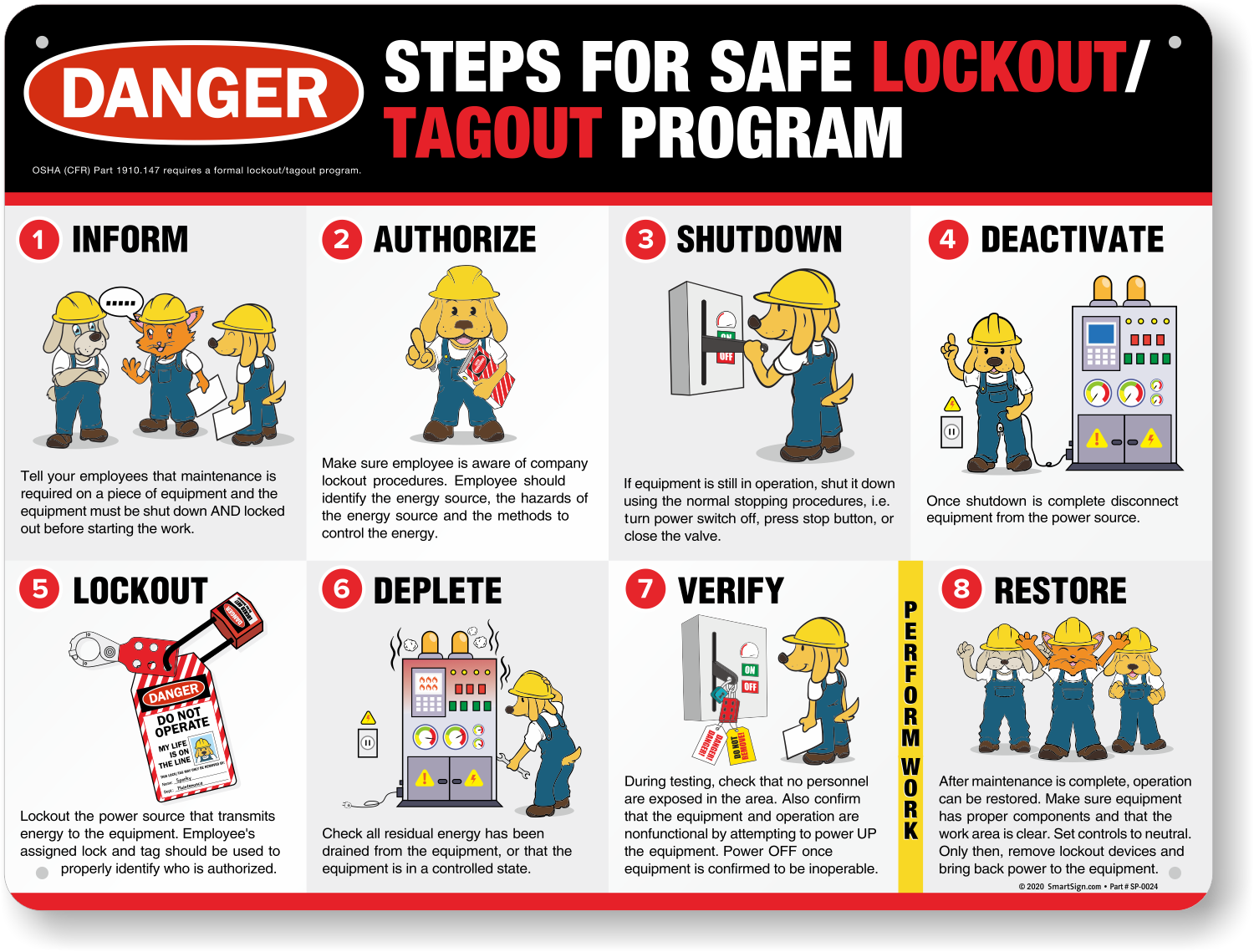
- Preparation: Notify affected employees
- Shutdown: Normal stop process
- Isolation: Shut off all energy sources
- Lockout: Apply locks and tags
- Store energy release: Bleed air, drain fluids, block moving parts
- Verification: Confirm zero energy state
Include diagrams showing lock placement and isolation points.
Step 3: Train and Certify Personnel Training must be role-based. Authorized employees need hands-on practice. Affected employees need recognition and response training.
Refresh training annually or when procedures change.
Step 4: Perform Periodic Inspections OSHA requires LOTO procedures to be inspected at least annually. A supervisor must observe an authorized employee performing the full procedure and correct any deviations.
These audits aren’t paperwork exercises—they’re safety interventions.
Lockout Tagout in High-Risk Industries
LOTO isn’t just for factories. Any environment with energized equipment needs it.
Manufacturing Assembly lines, robotic arms, stamping presses—constant motion means constant risk. A 2020 incident at an auto parts plant involved a worker clearing a jam without LOTO. The line restarted, resulting in a fatal crush injury. Proper procedure could have prevented it.

Energy and Utilities Power plants deal with high-voltage systems, steam turbines, and fuel lines. A single misstep during turbine maintenance can lead to catastrophic failure. LOTO procedures here are detailed, multi-step, and often require coordination between crews.
Healthcare Even hospitals use LOTO. MRI machines store powerful magnetic fields. Elevators, sterilizers, and HVAC systems require maintenance. A misplaced lock on an oxygen line could have dire consequences.
Construction Mobile equipment—cranes, excavators, compressors—often moves between sites. Portable LOTO kits ensure energy control even in temporary setups.
Limitations and Evolving Practices
LOTO is effective, but not foolproof. Challenges include:
- Complex systems with redundant energy paths
- Contractor access to locked equipment
- Remote or automated facilities where physical locks are harder to manage
To address this, some industries are adopting smart lockout systems—digital locks with access control, audit trails, and remote monitoring. While not yet OSHA-mandated, they enhance accountability and traceability.
However, technology doesn’t replace human discipline. A smart lock that’s not used correctly is as dangerous as a missing chain.
Practical Example: Lockout Tagout for a Conveyor System
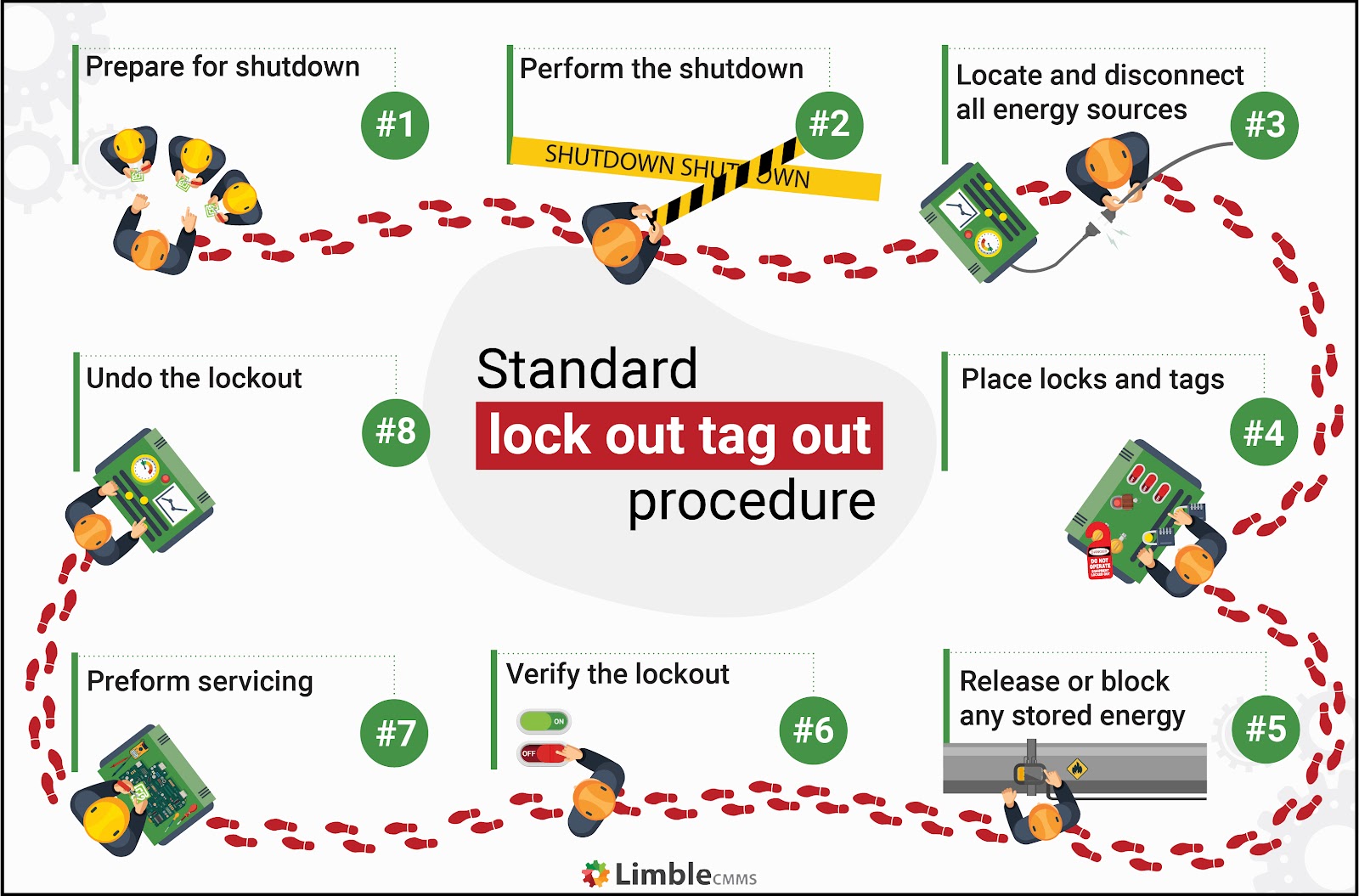
Let’s walk through a real LOTO procedure for a belt conveyor in a warehouse.
Equipment: Motor-driven conveyor, 480V electrical, gravity-fed input.
Step 1: Notify warehouse staff that the conveyor will be down.
Step 2: Press emergency stop and turn off control switch.
Step 3: Locate main disconnect switch (near electrical panel). Verify it’s off.
Step 4: Apply personal lock to disconnect switch. Hang tag: “DO NOT OPERATE – Maintenance in Progress – John Doe, 9:15 AM.”
Step 5: Bleed air from any pneumatic components. Lower any elevated sections.
Step 6: Attempt to restart at control panel. Confirm no movement.
Step 7: Begin maintenance.
Step 8: After repair, remove tools, clear area. Remove lock only by John Doe.
This isn’t theoretical. This is the difference between a routine fix and a life-altering injury.
Final Thoughts: Safety Is a Process, Not a Policy
A lockout tagout procedure definition isn’t just a regulatory phrase. It’s a promise: that no worker will be harmed because a machine turned on when it shouldn’t.
The best programs don’t just comply—they embed LOTO into daily rhythm. Supervisors ask, “Was LOTO applied?” like they ask, “Are you wearing PPE?”
Start by auditing your equipment. Write clear, visual procedures. Train rigorously. Inspect honestly.
Because when the pressure’s on and the deadline looms, the procedure is the only thing standing between a job well done—and a tragedy.
Common Questions About Lockout Tagout Procedures
What is the main purpose of a lockout tagout procedure? To ensure machines are completely shut down and isolated from energy sources during maintenance, preventing accidental startup and injury.
Who is responsible for implementing LOTO? Authorized employees trained in energy control procedures are responsible for applying locks and tags.
Can you use a tag without a lock? Only in limited cases where a lock can’t be used. Tag-only programs require additional protective measures and are not preferred.
How often should LOTO procedures be reviewed? At least annually, through a documented inspection where a supervisor observes a full procedure.
What’s the difference between lockout and tagout? Lockout physically prevents energy restoration (e.g., a padlock on a switch). Tagout is a warning label—important, but not a physical barrier.
Do all machines require a LOTO procedure? Any machine with hazardous energy that employees service or maintain requires a documented LOTO process.
What happens if LOTO is not followed? Non-compliance risks severe injuries, OSHA fines (up to $15,625 per violation), and potential criminal liability in cases of fatality.
FAQ
What should you look for in What Is a Lockout Tagout Procedure? Understanding the Basics? Focus on relevance, practical value, and how well the solution matches real user intent.
Is What Is a Lockout Tagout Procedure? Understanding the Basics suitable for beginners? That depends on the workflow, but a clear step-by-step approach usually makes it easier to start.
How do you compare options around What Is a Lockout Tagout Procedure? Understanding the Basics? Compare features, trust signals, limitations, pricing, and ease of implementation.
What mistakes should you avoid? Avoid generic choices, weak validation, and decisions based only on marketing claims.
What is the next best step? Shortlist the most relevant options, validate them quickly, and refine from real-world results.