Workers get hurt not because they’re careless—but because critical safety systems are either missing, misunderstood, or inconsistently applied. One of the most preventable causes of serious injury in industrial environments is unexpected machine startup during maintenance. That’s where a lockout tagout program PDF becomes more than just a document—it becomes a lifeline.
A well-structured lockout tagout (LOTO) program PDF serves as both a compliance tool and operational blueprint. It standardizes how energy sources are isolated, who is authorized to perform isolation, and how verification is documented. Most importantly, it’s accessible, distributable, and auditable. Whether printed in the field or pulled up on a tablet during a safety meeting, this document ensures consistency across shifts, sites, and teams.
But not all LOTO PDFs are created equal. A generic template downloaded from an unverified source can create a false sense of security. What you need is a customizable, compliant, and practical document that reflects real-world operations—not just regulatory jargon.
Why You Need a Formal Lockout Tagout Program
A lockout tagout program isn’t optional if you’re subject to OSHA 1910.147. This regulation mandates that any machine or equipment capable of hazardous energy release must have an energy control program. The core of that program? A written document—typically distributed as a lockout tagout program PDF.
Without a formal program, companies risk:
- Catastrophic incidents: Over 120 workplace fatalities annually are linked to improper machine servicing.
- OSHA fines: Violations of LOTO standards consistently rank in the top 10 most-cited offenses, with penalties exceeding $15,000 per violation.
- Operational delays: Inconsistent procedures lead to confusion, longer downtime, and increased error rates.
A complete lockout tagout program PDF doesn’t just describe procedures—it institutionalizes safety culture. It defines roles (authorized vs. affected employees), outlines training requirements, and provides clear steps for applying and removing locks and tags.
Key Components of an Effective LOTO Program PDF
A high-quality lockout tagout program PDF goes beyond a checklist. It’s a living document that integrates with your safety management system. Here are the essential sections it must include:
1. Program Scope and Purpose Clearly state which equipment and energy sources (electrical, hydraulic, pneumatic, chemical, thermal) the program covers. Define the objective: to protect workers during servicing and maintenance.
2. Roles and Responsibilities Identify:
- Authorized employees: Trained personnel who implement LOTO.
- Affected employees: Operators who use equipment but don’t service it.
- Supervisors: Responsible for enforcing compliance and verifying procedures.
3. Energy Control Procedures
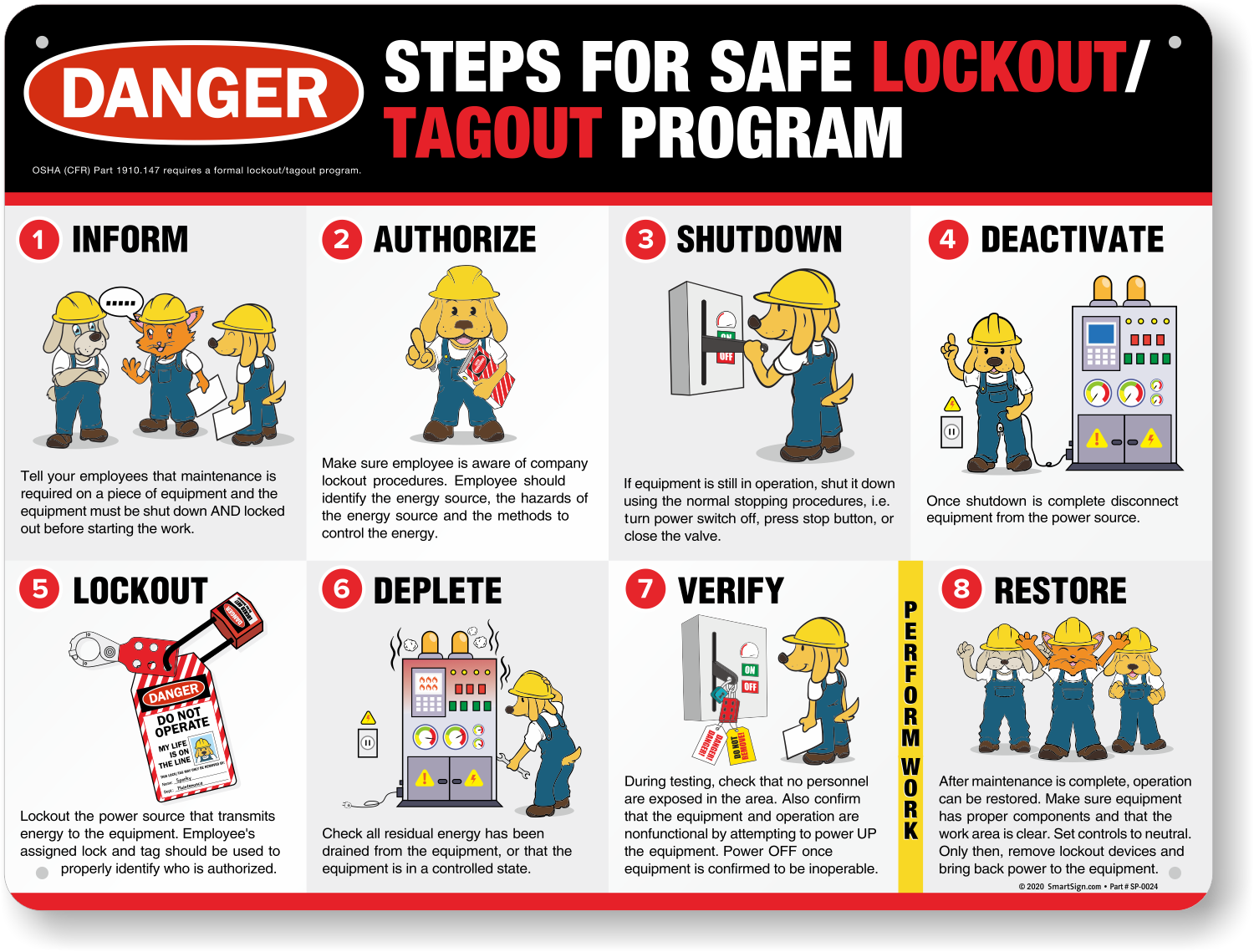
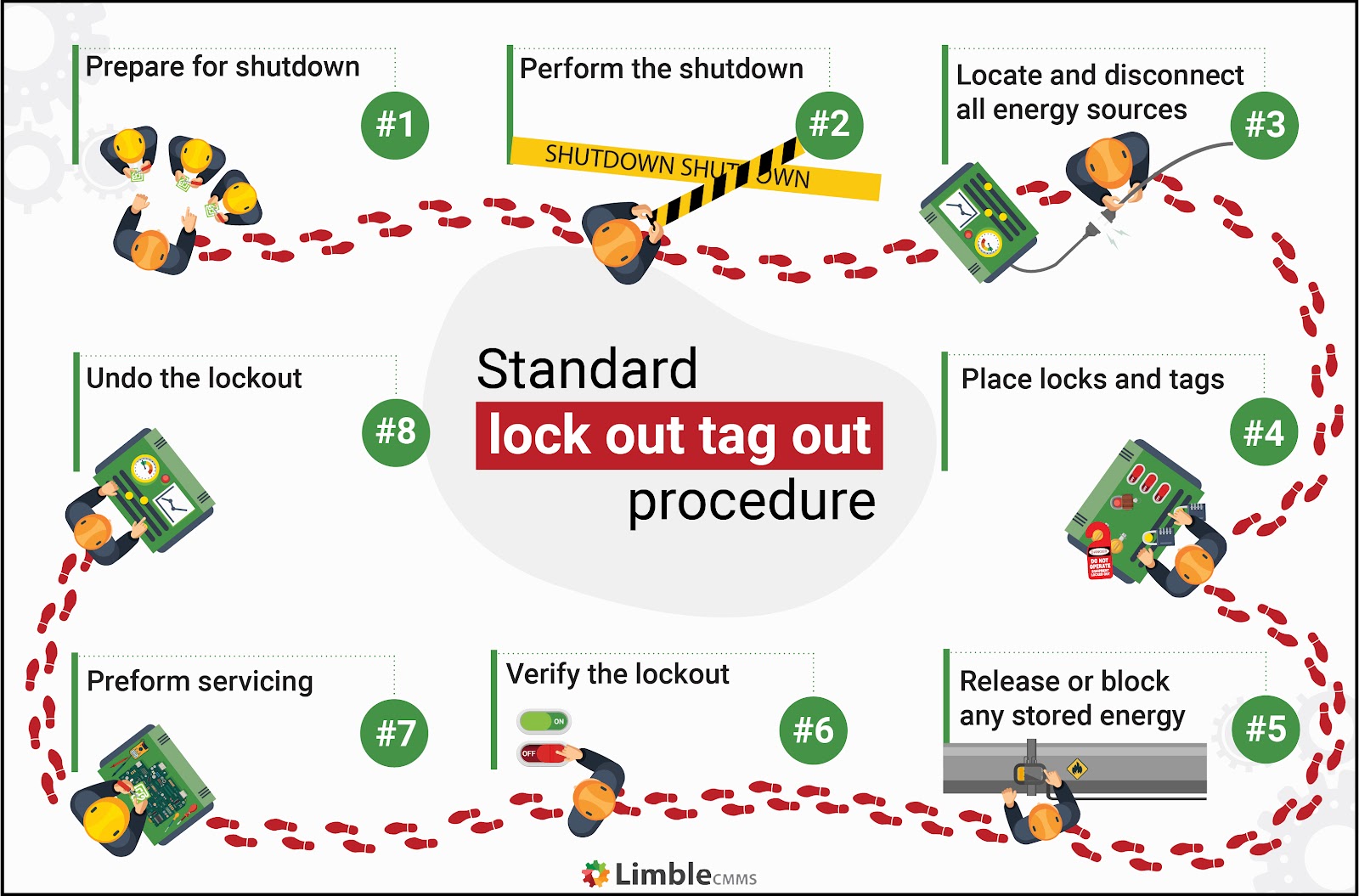
This is the operational heart. Each procedure should include: - Equipment identification - Type and magnitude of energy sources - Steps to shut down, isolate, lockout, and verify zero energy - Steps to safely restart
Example: Servicing a conveyor belt? The LOTO procedure should specify locking the motor disconnect, verifying no residual motion, and testing for zero energy with a voltage tester.
4. Lockout Devices and Tags Detail approved locks, hasps, tags, and group lockout boxes. Emphasize that tags are warning devices—not substitutes for physical locks. Include photos or diagrams in the PDF for clarity.
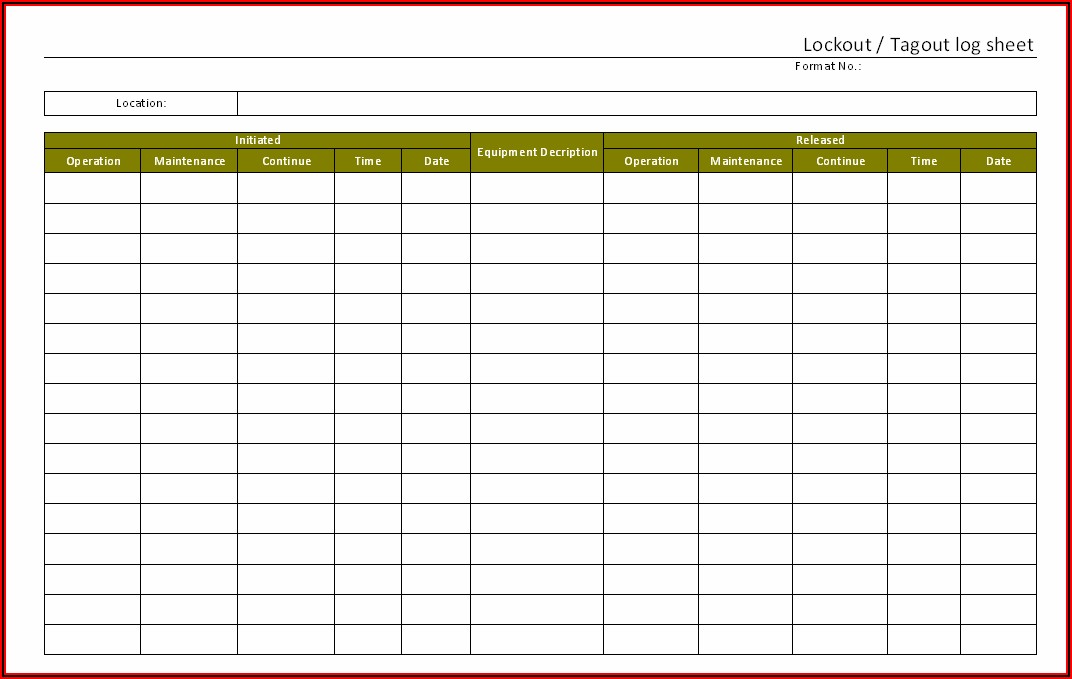
5. Training and Retraining Outline initial and annual retraining requirements. Document who was trained, when, and by whom. The PDF should include a training log template.
6. Periodic Inspections OSHA requires annual audits of each energy control procedure. The program PDF should include an inspection checklist and space for auditor notes.
7. Procedure for Removing Locks Define what happens when the authorized employee who applied the lock isn’t present for removal. This includes verification steps and supervisor authorization.
Common Mistakes in LOTO Program PDFs
Even compliant documents fail when they’re poorly implemented. Watch for these red flags:
- One-size-fits-all procedures: Using a single LOTO procedure for multiple machine types increases risk. Each machine’s energy sources differ.
- Lack of visual aids: Text-heavy PDFs are hard to follow under stress. Include diagrams, flowcharts, or photos.
- Outdated information: Machines are upgraded, processes change. If the PDF isn’t reviewed annually, it becomes obsolete.
- Missing multilingual support: In diverse workplaces, failure to provide translated versions creates compliance gaps.
- No version control: Multiple versions floating around lead to confusion. The PDF must include revision dates and approval signatures.
A strong lockout tagout program PDF includes a revision history table and is stored in a controlled location—both digitally and physically.
Real-World Use Cases of a LOTO PDF
The true value of a LOTO program PDF emerges during actual maintenance scenarios. Here are two practical examples:
Case 1: Preventing a Hydraulic Press Accident At a Midwest fabrication plant, a technician was clearing a jam in a 100-ton press. The machine had no formal LOTO procedure, and the worker assumed pressing the emergency stop was sufficient. When he reached in, a pressure surge caused the ram to descend, resulting in a crushed hand.
After the incident, the company implemented a lockout tagout program PDF that included: - Specific steps for isolating hydraulic pressure - A double-lock system for multi-person maintenance - A checklist for verifying zero energy
Within six months, near-miss reports dropped by 70%.
Case 2: Streamlining Maintenance in a Food Processing Plant A food packaging facility struggled with downtime during changeovers. Maintenance teams spent 20+ minutes per line verifying shutdowns due to inconsistent procedures.
They introduced a standardized lockout tagout program PDF with: - Color-coded lockout stations - QR codes linking to digital LOTO procedures - Pre-filled tag templates for common tasks
Downtime decreased by 35%, and safety audit scores improved.
How to Customize Your LOTO Program PDF
Off-the-shelf templates are a starting point—but customization is non-negotiable. Follow this workflow:
- Conduct an energy inventory: Walk every machine. Document all energy sources (e.g., 480V electrical, 120 psi pneumatic).
- Map shutdown sequences: Work with maintenance teams to define the safest isolation order.
- Write machine-specific procedures: Don’t lump similar machines. A CNC lathe and a band saw have different hazards.
- Add visuals: Insert photos of lock points, tag locations, and isolation valves.
- Pilot test: Have authorized employees use the draft PDF during real maintenance. Collect feedback.
- Finalize and distribute: Publish the PDF with version control. Store it in break rooms, control panels, and digital portals.
Pro Tip: Use editable PDF layers so you can update one master document and push changes across all machines.
Top 5 LOTO Program PDF Templates and Tools
While you must customize your program, starting with a professional template saves time and ensures compliance. Here are five reliable options:
| Tool | Key Features | Best For |
|---|---|---|
| OSHA.gov LOTO Guide | Free, official OSHA reference with sample procedures | Public domain use, basic compliance |
| Creative Safety Supply Template | Fillable PDFs, visual examples, training logs | Small to mid-sized manufacturers |
| Lockout Tagout.com LOTO Kit | Complete program + machine-specific templates | Companies needing rapid deployment |
| SafetySoft LOTO Module | Cloud-based platform with PDF export, audit trails | Enterprises with multiple sites |
| EHS Insight LOTO Solution | Integrated with broader EHS platform, mobile access | Organizations with digital safety systems |
Choose based on your scale and tech readiness. A small shop may only need a PDF template, while a plant with 200 machines benefits from a dynamic system with version tracking.
Integrating the LOTO PDF into Daily Operations
A document on a shelf doesn’t save lives—use matters. Embed your lockout tagout program PDF into daily workflows:
- Pre-job briefings: Reference the PDF before any maintenance task.
- New hire onboarding: Include a walkthrough of the LOTO program as part of orientation.
- Safety audits: Use the PDF as an audit checklist. Verify that field practices match the written procedure.
- Incident reviews: After any near-miss, compare what happened to the PDF protocol. Update the document if gaps emerge.
Also, ensure the PDF is accessible where it’s needed. Print laminated copies near high-risk machines. Upload it to your CMMS (Computerized Maintenance Management System) so technicians can pull it up on mobile devices.
Conclusion: Turn Your LOTO PDF Into a Safety Engine
A lockout tagout program PDF isn’t just a compliance checkbox—it’s a functional document that, when done right, prevents injuries, reduces downtime, and strengthens safety culture. Avoid generic templates. Customize your program, include real procedures, integrate visuals, and update it annually.
The best LOTO program PDFs are clear, accessible, and actionable. They don’t gather dust—they’re used, referenced, and trusted by every technician on the floor.
Start today: audit your current document (if you have one), gather input from your maintenance team, and build a program that reflects your actual operations. A single well-designed PDF could be the difference between a routine repair and a life-altering accident.
Frequently Asked Questions
What should a lockout tagout program PDF include? It must cover scope, roles, energy control procedures, device specifications, training, inspections, and lock removal protocols.
Is a LOTO program required by OSHA? Yes. OSHA 1910.147 mandates a written energy control program for any equipment with hazardous energy.
Can I use a free LOTO PDF template? Yes, but it must be customized to your equipment and processes. Generic templates alone don’t ensure compliance.
How often should the LOTO program PDF be updated? Annually, or whenever equipment, processes, or personnel change.
Who should be trained on the LOTO program? Authorized employees (who perform LOTO) and affected employees (who operate equipment) must receive initial and annual training.
Can the LOTO program be digital instead of PDF? Yes, but it must be accessible at all times—even during power outages. A printable PDF ensures redundancy.
What’s the difference between lockout and tagout? Lockout uses a physical lock to isolate energy. Tagout uses a warning tag. Lockout is required when possible; tagout alone is only acceptable under specific conditions.
FAQ
What should you look for in Lockout Tagout Program PDF Guide for Workplace Safety? Focus on relevance, practical value, and how well the solution matches real user intent.
Is Lockout Tagout Program PDF Guide for Workplace Safety suitable for beginners? That depends on the workflow, but a clear step-by-step approach usually makes it easier to start.
How do you compare options around Lockout Tagout Program PDF Guide for Workplace Safety? Compare features, trust signals, limitations, pricing, and ease of implementation.
What mistakes should you avoid? Avoid generic choices, weak validation, and decisions based only on marketing claims.
What is the next best step? Shortlist the most relevant options, validate them quickly, and refine from real-world results.