Every year, preventable industrial accidents occur because equipment is serviced while still energized. The culprit? A missing or improperly applied lock out tag out (LOTO) procedure. At the heart of this life-saving protocol are lock out tag out locks—simple but critical devices designed to ensure machines stay de-energized during maintenance.
These aren’t just accessories. They’re engineered safeguards that represent control, accountability, and safety. If you’re responsible for maintenance, safety compliance, or team leadership in manufacturing, utilities, or industrial facilities, understanding LOTO locks isn’t optional—it’s essential.
Let’s break down how they work, where they fail, and how to implement them effectively.
What Are Lock Out Tag Out Locks?
Lock out tag out locks are physical locking devices used to secure energy-isolating mechanisms—like circuit breakers, valves, or disconnect switches—so that equipment cannot be accidentally started during servicing.
Unlike regular padlocks, LOTO locks are: - Durable: Built to resist tampering, weather, and industrial wear. - Standardized: Often color-coded or uniquely keyed to individuals. - Non-conductive: Made from materials like nylon or polycarbonate to prevent electrical hazards.
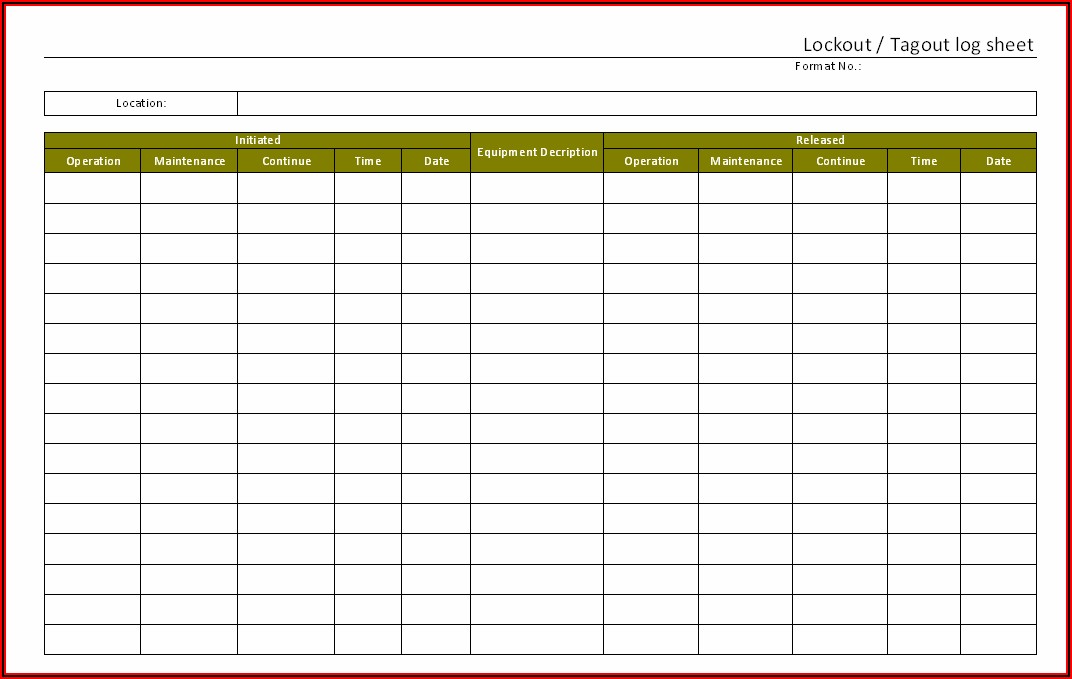
Each lock is paired with a tag that identifies: - Who applied the lock - When it was applied - Why the equipment is locked - Contact information
This creates a chain of accountability. No one else can remove the lock except the person who installed it, unless a formal override procedure is followed.
Real-World Example: Conveyor Belt Maintenance
Imagine a technician needs to clear a jam in a conveyor system. Without LOTO, someone could flip a switch remotely and restart the belt. With a LOTO lock: - The technician isolates the power source. - Applies their personal lock. - Attaches a tag explaining the work in progress. - Only after they remove the lock can the system be re-energized.
This isn’t just best practice—it’s OSHA-mandated.
Why Standard Padlocks Don’t Work for LOTO Using a regular steel padlock for energy isolation is a common but dangerous shortcut.
Here’s why standard locks fail in LOTO applications:
| Issue | Risk |
|---|---|
| Conductivity | Metal locks can conduct electricity near live circuits |
| Key duplication | Many standard locks have easily copied keys |
| Lack of identification | No built-in way to link lock to personnel |
| Durability | Not rated for chemical, heat, or impact resistance |
LOTO-specific locks solve these problems. They’re: - One-key-per-user: Preventing unauthorized access. - Non-metallic: Eliminating electrical risk. - High-visibility: Often bright red or yellow for quick spotting. - Shackle-free design: Some use flexible steel cables instead of rigid shackles to fit more isolation points.

A maintenance supervisor in a Midwestern auto plant once admitted they used regular padlocks to “save time.” After a near-miss incident where a motor restarted mid-repair, they switched to OSHA-compliant LOTO locks. The change took less than a week—and eliminated unauthorized re-energization entirely.
Types of Lock Out Tag Out Locks
Not all LOTO locks are the same. Choosing the right one depends on your equipment and energy source. Here are the most common types:
1. Padlock-Style LOTO Locks The most widely used. These resemble standard padlocks but are made from non-conductive materials. Available in keyed-alike, keyed-different, or single-key designs.
Best for: Electrical disconnects, control panels, breaker boxes.
2. Valve Lockout Devices Designed to secure gate, ball, and butterfly valves. They prevent rotation and are often adjustable to fit multiple valve sizes.
Example: A chemical processing facility uses a ball valve lockout to isolate a pipeline before maintenance.
3. Circuit Breaker Locks
These clip or wrap around breaker toggles, preventing them from being flipped. Some models accommodate multiple breakers for group lockout.
Tip: Use breaker locks with tags that list the circuit number and associated machine.
4. Plug Lockouts Used to secure electrical plugs. Once locked, the plug cannot be inserted into an outlet.
Use case: Portable tools, welding machines, or temporary equipment.
5. Hasp Locks A hasp allows multiple workers to apply their individual locks to a single isolation point. Critical for group maintenance tasks.
Pro tip: Always use a hasp with a tag that lists all personnel involved.
Common LOTO Lock Mistakes That Compromise Safety
Even with the right equipment, human error can undermine safety. These are the most frequent mistakes:
❌ Using a "Master Key" System Some facilities issue master keys to supervisors. This violates OSHA’s requirement that only the authorized employee can remove their lock. Exception: emergency removal under documented procedures.
❌ Sharing Locks Among Workers Each worker must use their own lock. Sharing defeats personal accountability.
❌ Skipping the Tag A lock without a tag is ambiguous. Was it applied recently? Is it part of an ongoing repair? Always tag.
❌ Using Damaged or Worn Locks Cracked housings, stiff mechanisms, or faded tags reduce reliability. Inspect locks quarterly.
❌ Improper Storage LOTO locks left in toolboxes or unsecured areas can be misused. Store them in labeled cases, assigned by employee.
Implementing LOTO Locks: A Step-by-Step Workflow
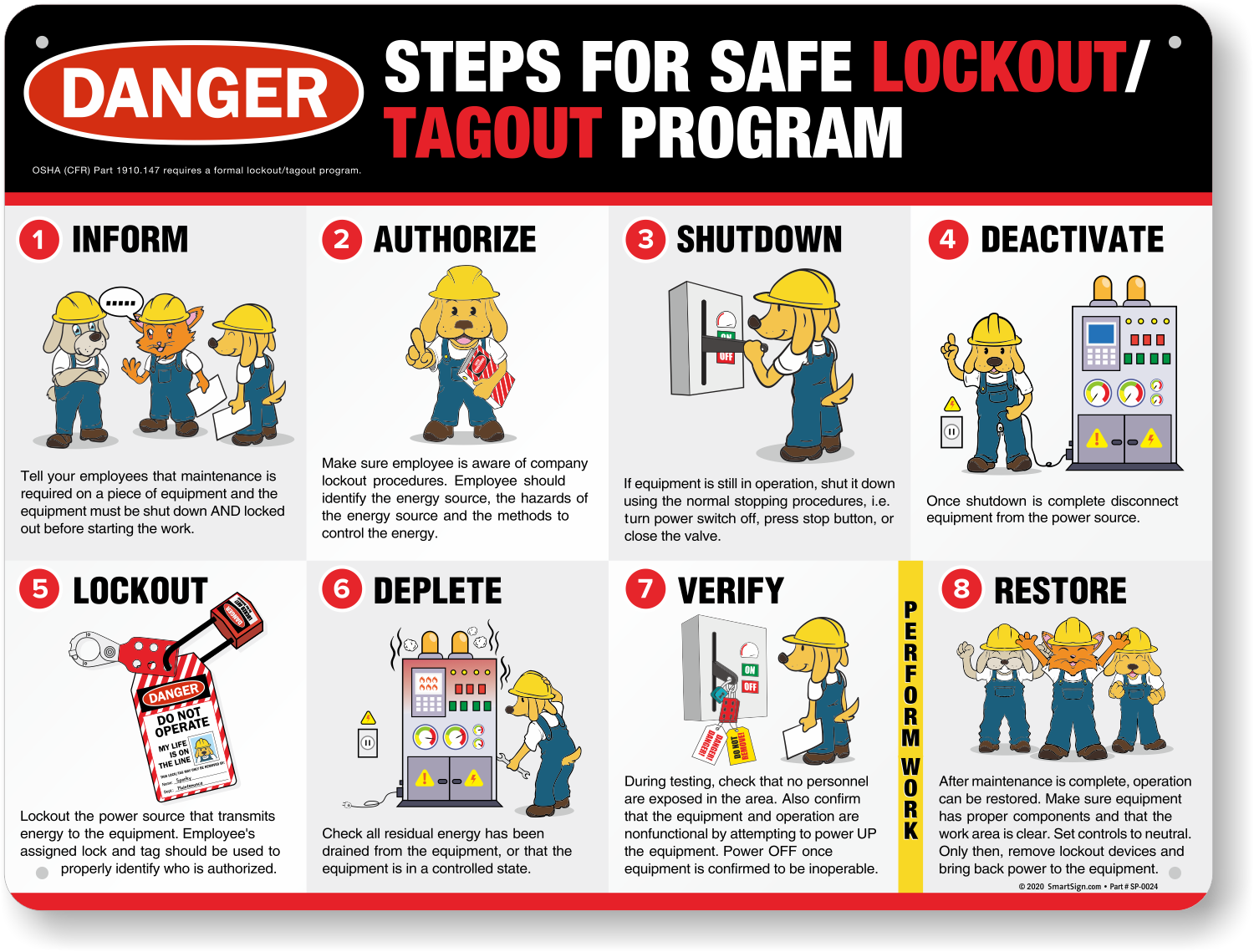
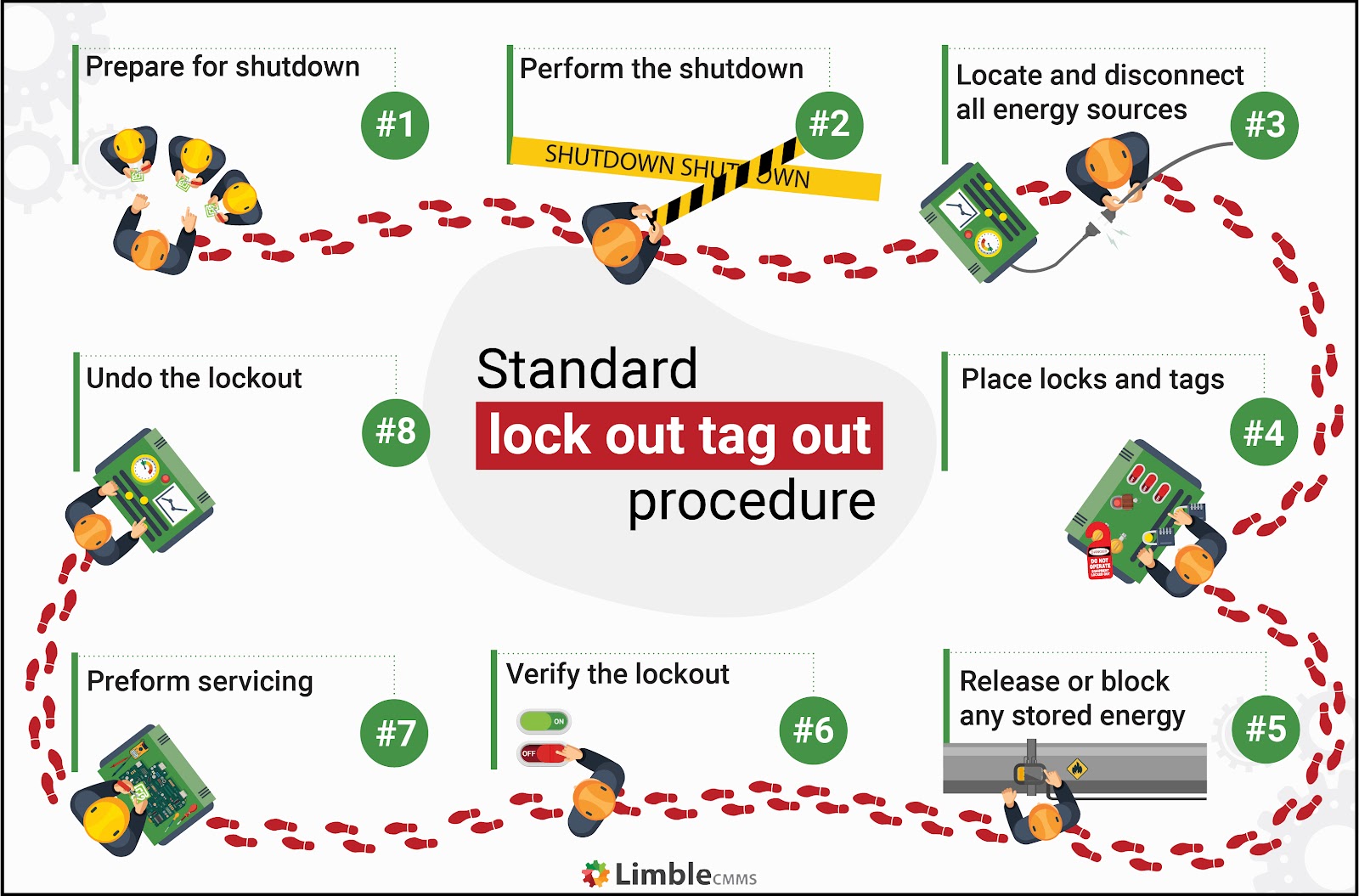
A lockout procedure only works if it’s repeatable and enforced. Here’s a proven workflow:
- Prepare for Shutdown
- Identify all energy sources (electrical, pneumatic, hydraulic, thermal, gravity).

- Notify Affected Personnel
- Alert operators and nearby workers that maintenance is starting.
- Shut Down Equipment
- Use normal stopping procedures (e.g., press stop button).
- Isolate Energy Sources
- Turn off breakers, close valves, block moving parts.
- Apply LOTO Locks and Tags
- Each authorized employee applies their lock and tag.
- Verify Zero Energy
- Attempt to start the machine (with controls), then return to “off.” This proves de-energization.
- Perform Maintenance
- Remove Locks Only After Completion
- Each worker removes their own lock. Conduct a final check before restart.
This isn’t theoretical. A paper mill in Oregon reduced maintenance-related incidents by 72% after standardizing this process across all shifts.
Top 5 LOTO Locks and Lockout Devices (Reviewed)
Choosing reliable equipment matters. Here are five trusted options used in industrial settings:
| Product | Type | Key Features | Best Use Case |
|---|---|---|---|
| Grace-i LOTO Padlock | Non-conductive padlock | 38mm nylon body, 12-pin cylinder, key retention | Electrical panels, high-risk zones |
| King LOTO Valve Lockout (KL-42) | Ball valve lock | Adjustable, fits 1.5–4” valves, UV-resistant | Chemical plants, water treatment |
| Seton Circuit Breaker Lockout (74765) | Breaker lock | Holds up to 6 locks, clear polycarbonate | Group maintenance, electrical rooms |
| 3M Plug Lockout Device (3M-PLD) | Plug lock | Fits standard NEMA plugs, one-hand operation | Construction, mobile equipment |
| BHS Group Lockout Hasp (GL-1) | Hasp | 10-lock capacity, corrosion-resistant | Multi-worker repairs |
All meet OSHA 29 CFR 1910.147 standards. Prices range from $12 to $45 per unit, with bulk discounts available.
Compliance Isn’t Enough—Culture Matters
OSHA requires LOTO procedures, but compliance alone won’t stop accidents. You need a culture where every worker treats LOTO as non-negotiable.
Signs of a strong LOTO culture: - New hires are trained before touching equipment - Locks are inspected monthly - Managers never pressure workers to “skip a step” - Near-misses are reported and reviewed
One steel fabrication plant introduced a “LOTO Champion” program. Each month, a worker is recognized for upholding safety standards. Incident rates dropped—and productivity rose due to fewer unplanned outages.
Final Thoughts: Locks Are the Symbol, But Process Is the Shield
Lock out tag out locks are more than plastic and steel. They’re symbols of responsibility. When a technician applies their lock, they’re not just securing a valve—they’re asserting control over risk.
But locks alone don’t protect people. A documented procedure, consistent training, and a culture of accountability do.
If you’re setting up a LOTO program: - Start with a machine audit. - Choose locks suited to your energy types. - Train every authorized employee—not just maintainers. - Audit quarterly.
And remember: the shortest path to a safer workplace isn’t faster tools or smarter tech. It’s the discipline to lock it, tag it, and verify it—every single time.
Frequently Asked Questions
What is the purpose of a lock out tag out lock? It physically prevents the accidental startup of machinery during maintenance by securing energy-isolating devices.
Can multiple people use the same LOTO lock? No. Each authorized employee must use their own lock to ensure individual accountability.
Are LOTO locks required by OSHA? Yes. OSHA standard 29 CFR 1910.147 mandates the use of lockout devices during servicing of machinery with hazardous energy.
What materials are LOTO locks made from? Most are made from non-conductive materials like nylon, polycarbonate, or rubber to prevent electrical hazards.
How do I choose the right LOTO lock for my facility? Match the lock type to your energy source—padlocks for breakers, valve locks for pipelines, plug locks for cords.
Can LOTO locks be used in outdoor or wet environments? Yes, many are weather-resistant. Look for IP-rated or UV-stabilized models for outdoor use.
What happens if someone forgets to remove their lock? Only the original installer should remove it. If they’re unavailable, a formal management override procedure—documented and witnessed—must be followed.
FAQ
What should you look for in Lock Out Tag Out Locks: Your Guide to Safer Workplaces? Focus on relevance, practical value, and how well the solution matches real user intent.
Is Lock Out Tag Out Locks: Your Guide to Safer Workplaces suitable for beginners? That depends on the workflow, but a clear step-by-step approach usually makes it easier to start.
How do you compare options around Lock Out Tag Out Locks: Your Guide to Safer Workplaces? Compare features, trust signals, limitations, pricing, and ease of implementation.
What mistakes should you avoid? Avoid generic choices, weak validation, and decisions based only on marketing claims.
What is the next best step? Shortlist the most relevant options, validate them quickly, and refine from real-world results.