Every year in the UK, workers suffer serious injuries because machinery is accidentally energised during maintenance. In some cases, the outcome is fatal. These incidents are preventable. The solution? A properly implemented lockout tagout procedure. While not always referred to by the exact term "lockout tagout" in UK legislation, the principle is embedded in the Electricity at Work Regulations 1989 and the Provision and Use of Work Equipment Regulations 1998 (PUWER).
This guide breaks down the UK-specific approach to energy isolation, detailing practical steps, legal obligations, and real-world applications. If you’re responsible for safety in manufacturing, facilities, engineering, or maintenance, this is your blueprint for keeping workers safe.
What Is Lockout Tagout in the UK Context?
In the UK, "lockout tagout" (LOTO) is often described as isolation and securement or safe system of work. It’s the process of de-energising equipment, securing it against unexpected startup, and using locks and warning tags to prevent re-energisation while work is carried out.
While the term LOTO originates from North American safety standards, the practice is equally critical in the UK. The Health and Safety Executive (HSE) doesn’t use “LOTO” as a formal term but enforces its principles through PUWER and EAWR.
For example: A maintenance technician needs to replace a conveyor belt drive motor. Without isolation, residual energy in the system could cause sudden movement. Lockout tagout ensures the motor’s power supply is physically disconnected, locked off with a personal padlock, and tagged to warn others not to restore power.
This isn’t just about flipping a switch. It’s a structured procedure with accountability, verification, and communication built in.
Legal Framework: What UK Law Requires
There is no single "lockout tagout" regulation in UK law. Instead, the requirements are spread across multiple regulations:
- Electricity at Work Regulations 1989 (EAWR) – Regulation 12 requires work on electrical systems to be done safely, including de-energising unless it’s unreasonable to do so.
- Provision and Use of Work Equipment Regulations 1998 (PUWER) – Regulation 19 mandates that equipment is maintained safely, and maintenance must be carried out under conditions that prevent danger.
- Management of Health and Safety at Work Regulations 1999 – Requires risk assessments and safe systems of work.
These laws collectively mean you must: - Identify energy sources (electrical, hydraulic, pneumatic, thermal, gravitational). - Isolate each source effectively. - Prevent accidental re-energisation. - Verify isolation before work begins. - Communicate the status to all affected personnel.
Failure to follow these steps can result in prosecution. In 2022, a manufacturing firm in Yorkshire was fined £200,000 after a worker had his arm crushed by a press that restarted during maintenance — the isolation procedure was poorly documented and inconsistently applied.
Step-by-Step Lockout Tagout Procedure
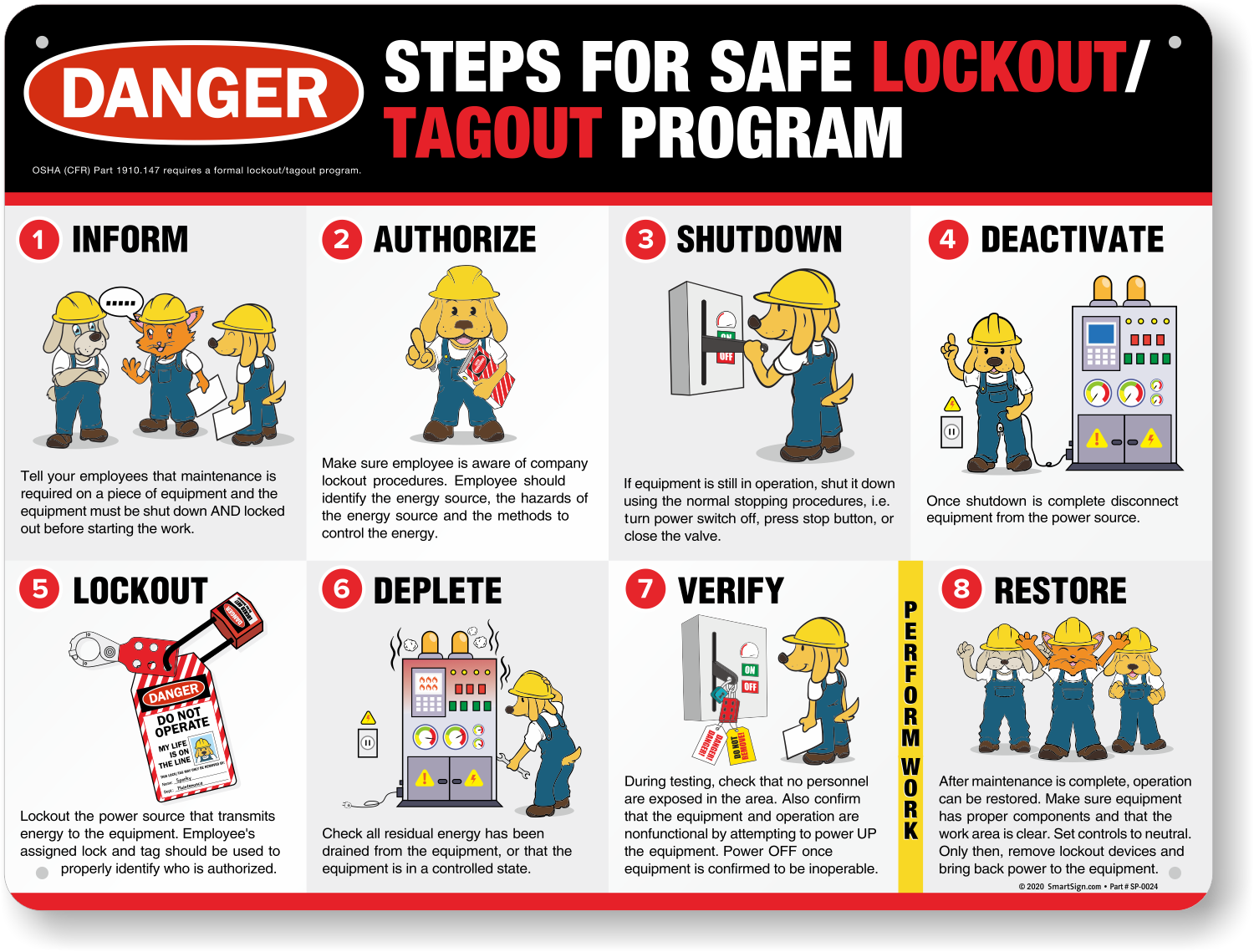
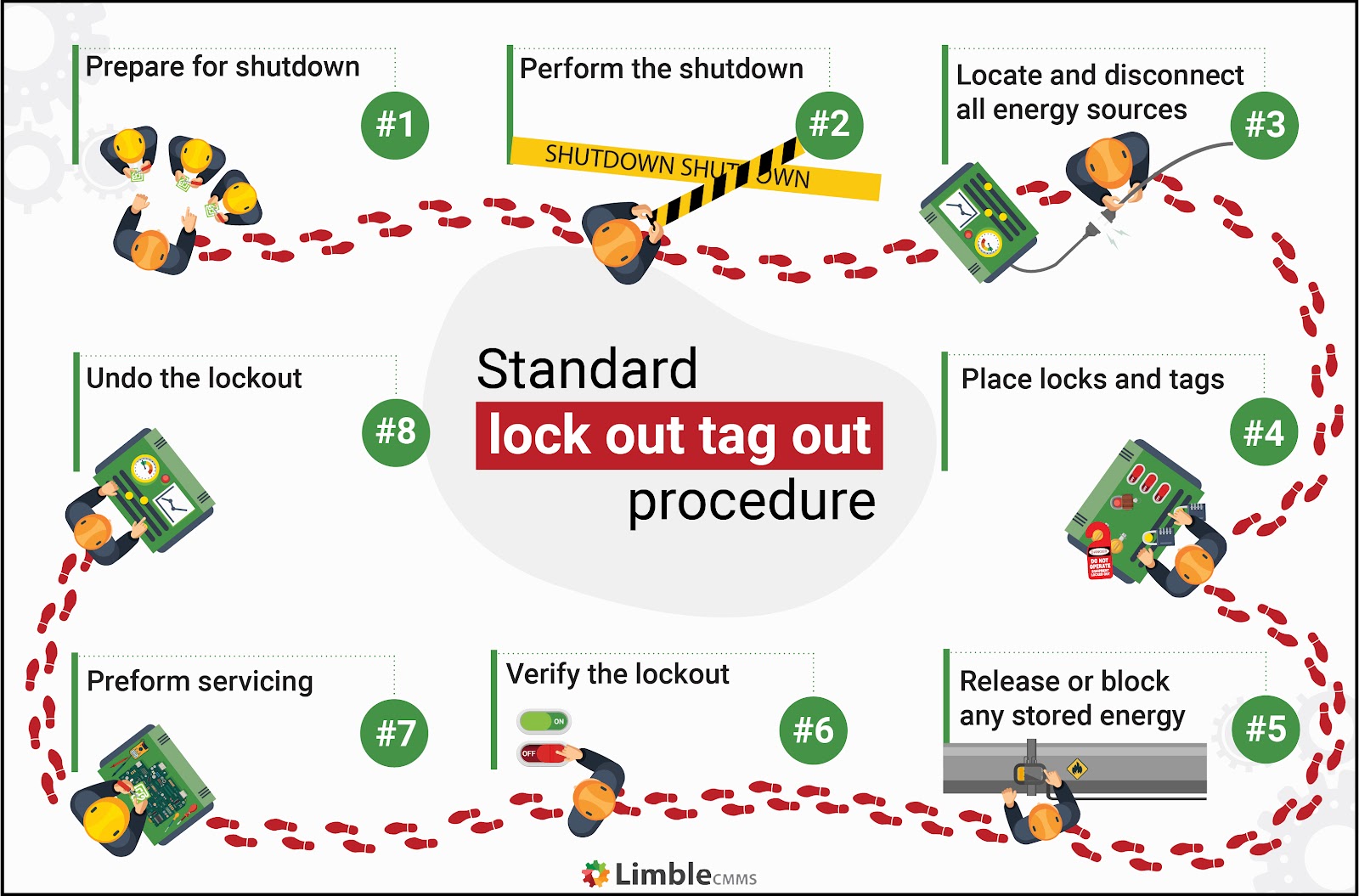
A robust lockout tagout process in the UK follows six key stages. Deviating from any step increases risk.
1. Prepare for Shutdown Identify the equipment and all energy sources. Consult maintenance records, schematics, and risk assessments. Notify all affected employees that maintenance is scheduled.
2. Shut Down the Equipment Use normal stopping procedures. Ensure the machine is at rest — no moving parts, no pressure, no heat build-up.
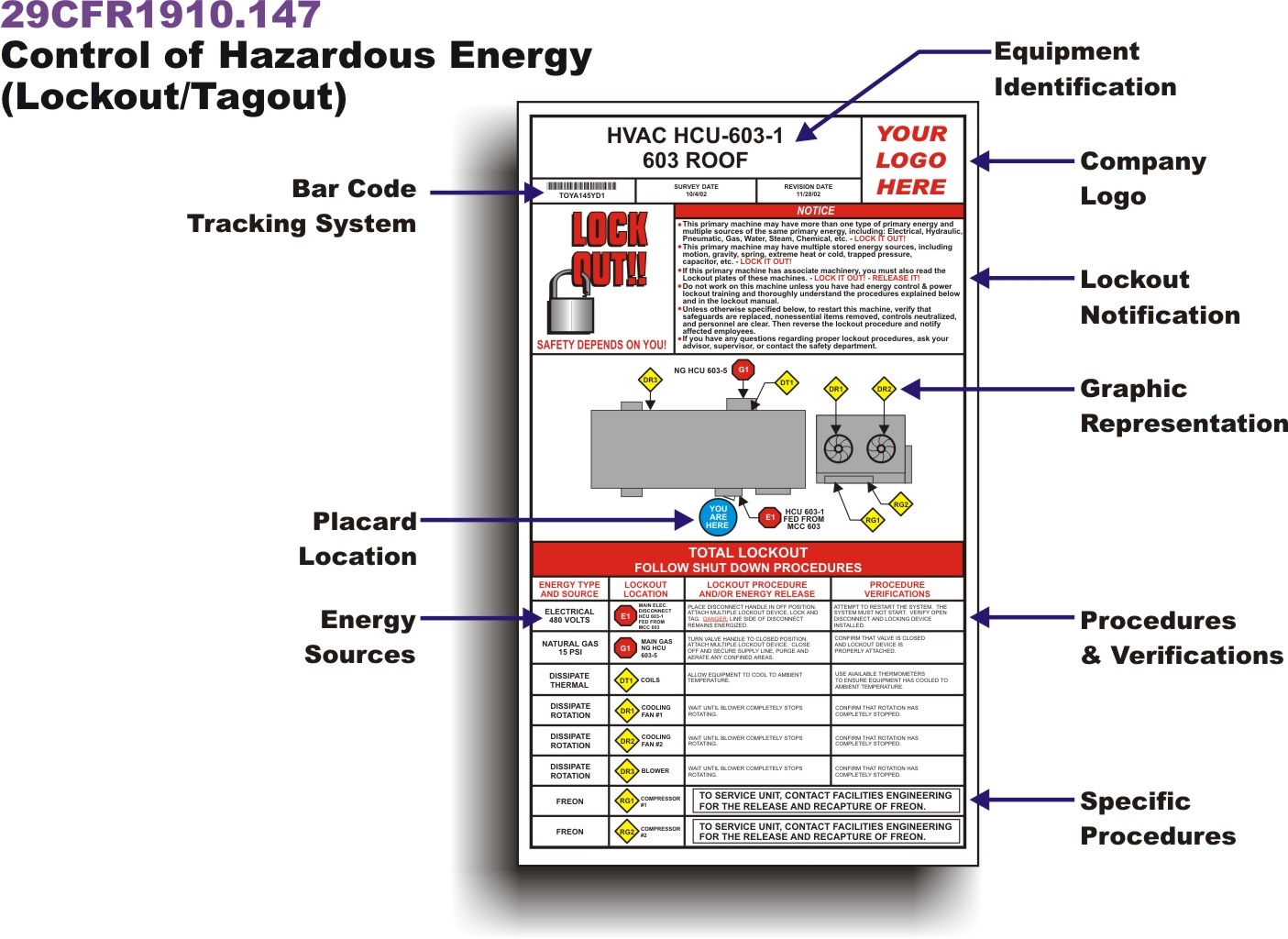
3. Isolate Energy Sources Switch off and physically disconnect each energy source. This may include: - Electrical isolators - Hydraulic/pneumatic valves - Gravity locks (e.g., blocking elevated parts) - Capacitor discharge mechanisms
Use lockable isolation points where available.
4. Apply Locks and Tags Each technician applies their own lock (personal lock) to each isolation point. A tag must be attached stating: - Who applied the lock - Date and time - Reason for isolation - Contact information
Only the individual who applied the lock should remove it.
5. Release Stored Energy Check for residual energy.
This could mean:
- Bleeding air lines
- Draining hydraulic fluid
- Allowing capacitors to discharge
- Lowering suspended loads
Use appropriate tools and PPE.
6. Verify Isolation Attempt to start the machine using normal controls — but only after confirming all personnel are clear. If the machine doesn’t start, isolation is confirmed.
Example: A boiler engineer isolates a burner system. After locking the main power isolator and gas valve, they open a purge valve to release pressure and attempt ignition. No response confirms the system is safe.
Common Mistakes in UK Workplaces
Even experienced teams make critical errors. These undermine the entire procedure:
- Group Lockout Without Clear Ownership – Multiple people use one lock. If the key holder is absent, delays occur or worse, someone removes it improperly.
- Using Tags Without Locks – A tag alone offers no physical protection. It’s advisory, not preventative.
- Skipping Stored Energy Checks – Assuming isolation means safety, without verifying residual pressure or motion.
- Poor Tag Information – Tags missing names or contact details lead to confusion.
- Inadequate Training – Temporary staff or contractors unaware of local procedures.
One incident in a Midlands food processing plant involved a cleaner who removed a tag, assuming it was old. The machine powered on, leading to a near-miss. The tag lacked a date and the technician’s name.
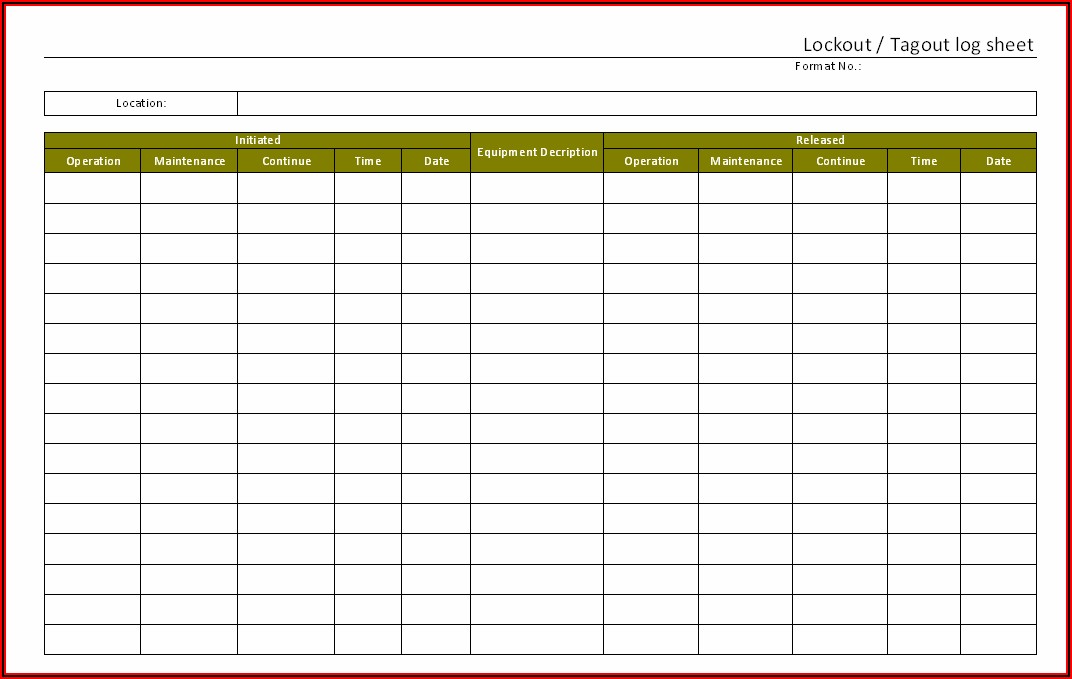
Pro Tip: Use a Lockout Logbook Maintain a physical or digital log where technicians record: - Equipment ID - Lock number - Start and end time - Name and signature
This creates an audit trail and prevents unauthorised removal.
Industry-Specific Applications Different sectors face unique challenges in applying lockout tagout.
Manufacturing Machines often have multiple energy inputs. A CNC lathe may use electricity, hydraulics, and coolant systems. Each must be isolated separately.
Best practice: Use multi-lock hasps so each technician can apply their own lock to a single isolator.
Utilities and Facilities HVAC systems, pumps, and switchgear require careful coordination. In a hospital, isolating a generator for maintenance must not affect critical power circuits.
Solution: Use permit-to-work systems alongside lockout procedures.
Construction Mobile equipment like cranes and excavators need isolation during servicing. But locks can be lost or damaged on site.
Mitigation: Use rugged, weather-resistant locks and tags. Store keys securely.
Warehousing and Logistics Conveyor systems span large areas. Isolating one section may not stop energy from feeding in from another.
Fix: Install local isolation points every 20 metres, each with lockable capability.
Tools and Equipment for Effective Lockout
You can’t implement a reliable procedure without the right tools. Here’s what UK workplaces use:
| Item | Purpose | Example Use Case |
|---|---|---|
| Personal Padlocks | Ensure only the authorised worker removes the lock | Each technician uses a uniquely keyed lock |
| Lockout Hasps | Allow multiple locks on one isolation point | Maintenance team working on a shared electrical panel |
| Valve Lockouts | Prevent opening of pneumatic/hydraulic valves | Securing a compressed air line on a press |
| Circuit Breaker Lockouts | Fit over breakers to prevent reactivation | Isolating a substation during transformer work |
| Warning Tags | Communicate isolation status | Tag reads: “Do Not Operate – John Smith, 10:15, Motor Repair” |
| Lockout Stations | Central storage for locks, tags, and logs | Placed near maintenance bays or control rooms |
Investing in a standardised lockout kit reduces confusion and enforces consistency.
Training and Compliance: Making It Stick
A procedure is only as strong as the people following it. Training must go beyond theory.
- Induction Training: All new staff must understand isolation procedures.
- Role-Specific Drills: Maintenance teams should practice full lockout scenarios annually.
- Contractor Briefings: External workers must follow site-specific LOTO rules.
- Refresher Courses: Every 12–18 months to reinforce habits.
The HSE recommends using real equipment during training — not just presentations. Simulate a breakdown, walk through isolation, and verify each step.
One automotive plant reduced lockout errors by 70% after introducing quarterly hands-on drills and assigning “LOTO champions” in each shift.
Why “Just Switching Off” Isn’t Enough
A common misconception is that turning off a machine at the control panel is sufficient. It’s not.
Control circuits may remain live. Remote start signals can activate equipment. Stored energy can release unexpectedly. And someone else might not know work is in progress.
Physical isolation — disconnecting at the source and securing it — is the only reliable method. That’s the core of lockout tagout.
Closing: Build a Culture of Isolation Safety
A lockout tagout procedure in the UK isn’t just compliance — it’s a commitment to human safety. The law sets the baseline, but excellence comes from consistent practice, clear communication, and leadership accountability.
Start by auditing your current isolation processes. Are locks used? Are tags informative? Is verification standard? Update your safe systems of work, train your people, and make lockout a non-negotiable habit.
Because when a machine starts unexpectedly, it’s not just equipment that’s at risk — it’s lives.
Frequently Asked Questions
What is the difference between lockout and tagout in the UK? Lockout physically prevents re-energisation using a lock; tagout uses a warning tag. Lockout is always preferred. Tags alone are insufficient unless no lock is feasible.
Who can remove a lockout device in the UK? Only the person who applied the lock should remove it. In exceptional cases, a supervisor may remove it following a formal verification process.
Are lockout tagout procedures required by law in the UK? While not named directly, the principles are legally required under the Electricity at Work Regulations and PUWER.
Do I need lockout procedures for battery-powered tools? Yes. Battery packs must be removed and isolated, or the tool locked in a way that prevents use until maintenance is complete.
Can multiple people work on the same machine under lockout? Yes, using a multi-lock hasp. Each worker applies their own lock. The machine remains isolated until all locks are removed.
What should a UK lockout tag include? Name of the worker, date, time, reason for isolation, and contact details. Avoid vague messages like “Under Maintenance.”
Is training mandatory for lockout tagout in the UK? Yes. Regulation 13 of EAWR requires workers to be competent. This includes training in safe isolation procedures.
FAQ
What should you look for in Lockout Tagout Procedure UK: A Complete Safety Guide? Focus on relevance, practical value, and how well the solution matches real user intent.
Is Lockout Tagout Procedure UK: A Complete Safety Guide suitable for beginners? That depends on the workflow, but a clear step-by-step approach usually makes it easier to start.
How do you compare options around Lockout Tagout Procedure UK: A Complete Safety Guide? Compare features, trust signals, limitations, pricing, and ease of implementation.
What mistakes should you avoid? Avoid generic choices, weak validation, and decisions based only on marketing claims.
What is the next best step? Shortlist the most relevant options, validate them quickly, and refine from real-world results.